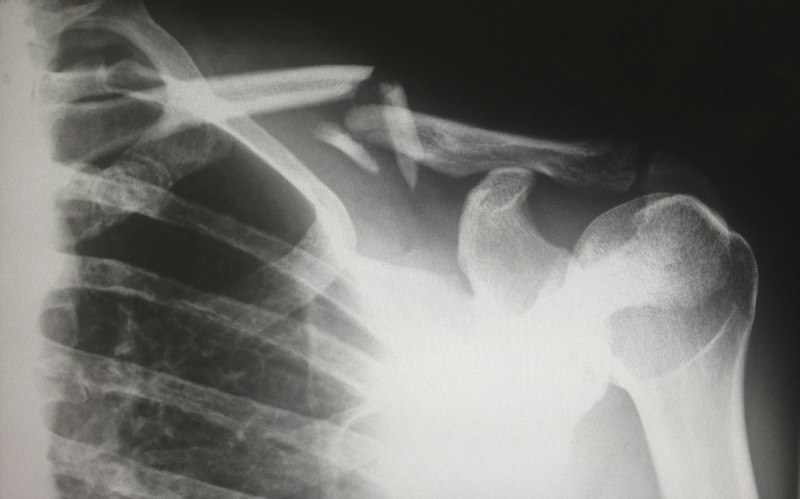
Fast, reliable and essential diagnostic imaging — uses controlled high-energy radiation to capture detailed images of bones, chest structures and soft tissues within minutes.
Same DayReport Ready
2–10Minutes
DigitalTechnology
What is X-Ray?
X-ray is one of the most commonly used diagnostic imaging techniques that uses a small amount of high-energy ionizing radiation to capture images of the structures of the body. The final image (radiograph) is a "shadow" created by how different tissues absorb the ionizing radiation.
Dense structures like bones or metal absorb most of the rays and appear white (radio-opaque). Air-filled lungs allow almost all rays to pass through and appear black (radio-lucent). Muscles, fat, and organs absorb variable amounts, appearing in varying shades of grey.
X-ray imaging is known for its speed, accessibility, and accuracy — making it a fundamental tool in modern diagnostics. It remains extremely crucial in chest imaging, fracture assessment, bone tumors, renal calculi, and bowel obstruction/perforation evaluation.
Advantages of X-Ray
Quick & Efficient
Results in seconds — image appears within 2 seconds of exposure with our digital system
Non-Invasive
No surgery, no discomfort — completely painless with no recovery time required
Low Radiation
Minimal and controlled dose — low dose protocols available with automatic exposure control
Real-Time Capability
Fluoroscopy available for real-time imaging — also supports HSG procedures
Common Uses of X-Ray
Bones & Joints
Fractures and dislocations
Arthritis and joint abnormalities
Bone tumors
Bone / joint infections
Chest Imaging
Lung infections (pneumonia, tuberculosis)
Chest conditions and abnormalities
Pre-operative workup
Heart size assessment
Abdomen
Kidney and urinary stones
Bowel obstruction / perforation
Detecting foreign objects
Basic abdominal assessment
General & Dental
Tooth decay and jaw structure
Basic health assessments
Detecting metallic foreign objects
Scannograms (full-length stitching)
Why Choose Durga Diagnostics?
✓
Most advanced fully digital X-ray equipment — image appears within 2 seconds of exposure
✓
Stitching stand and stitching software available for full-length scannograms
✓
All protocols follow AIIMS guidelines — AI-based reporting updated to current standards
✓
Low-dose protocols with Automatic Exposure Control (AEC) — especially for children
✓
Prior investigations and patient history considered for accurate reports with comparison
✓
24x7 telephonic discussion between radiologist and referring consultant for urgent cases
✓
Patient-friendly, hygienic environment with affordable and transparent pricing
X-Ray Procedure & Preparation
X-ray preparation is minimal — for most scans, no prior preparation is needed. Follow these simple guidelines:
Walk-in available for most X-rays — no appointment needed. The procedure takes only 2–10 minutes with same-day report delivery.
Step-by-Step Procedure
1
Inform the doctor or technologist if you are or might be pregnant — radiation can be harmful to a developing fetus. Last menstrual period date may be asked
2
Remove jewelry, glasses, eyeglasses, or any metal objects as they can block X-rays and interfere with the image
3
Depending on the area being scanned, you might need to change into a hospital gown
4
You will be positioned depending on the body part being examined — more than one view may be taken
5
The X-ray machine emits a controlled beam of radiation — images are captured on a digital detector
6
The procedure is completed within minutes — completely painless with no recovery time required
Preparation Checklist
Remove Metal Objects
Jewelry, watches, hairpins, glasses and piercings must be removed
Inform If Pregnant
Always inform the technologist if you are pregnant or planning pregnancy
Comfortable Clothing
Wear loose clothing without metal fasteners — a hospital gown may be provided
No Fasting Required
No fasting needed for most X-rays — walk-in available without prior appointment
Appointment & Duration: Often not required — walk-in available. Waiting time: 5–15 minutes. Procedure time: 2–10 minutes. Routine reports: Same day | Urgent reports: Within minutes.
X-Ray — Frequently Asked Questions
Everything you need to know about X-ray services at Durga Imaging Centre.
What is an X-ray and how does it work?
X-ray uses a small amount of high-energy ionizing radiation to create images of body structures. Dense structures like bones absorb radiation and appear white, while air-filled lungs appear black. Soft tissues appear in shades of grey. The digital image appears within 2 seconds of exposure at our centre.
Is X-ray safe? How much radiation is involved?
X-ray uses low-dose radiation and is considered safe for most patients when performed under trained supervision. We use Automatic Exposure Control (AEC) and low-dose protocols — especially important for children. Avoid unnecessary exposure during pregnancy.
Can I get an X-ray during pregnancy?
X-ray is generally avoided during pregnancy as radiation can be harmful to the developing fetus. Always inform the technologist if you are pregnant or might be pregnant. Your last menstrual period date may be asked to confirm.
How long does an X-ray take?
The procedure itself takes only 2–10 minutes. With our fully digital system, the image appears within 2 seconds of exposure. Waiting time is typically 5–15 minutes. No appointment is needed for most X-rays.
Do I need to fast before an X-ray?
No fasting is required for most X-rays. You can walk in without any prior preparation. Just remove all metal objects before the scan.
When will I get my X-ray report?
Routine X-ray reports are delivered same day. For urgent cases, reports are available within minutes. Our radiologists are available 24x7 for telephonic discussion to ensure timely patient management.
Is X-ray safe for children?
X-ray can be done for children but is used judiciously due to radiation exposure. Our trained technicians use low-dose protocols and Automatic Exposure Control (AEC) to give minimum radiation exposure, especially in children.
Book X-Ray
Walk-in available. Same-day reports. No appointment needed for most scans.